
Voice Problems/ Voice disorders
Voice therapy can help with difficulty projecting, lack of vocal power or stamina, reduced pitch range or changes in vocal tone or quality (e.g. breathiness, huskiness or hoarseness) , Some of these vocal symptoms may be due to inefficient vocal technique that may be habitual or have developed after an illness such as the Flu. Sometimes they are a result of a physical lesion on the vocal cords e.g. cysts, nodules, or polyps, that will require diagnosis by an Ear Nose & Throat (ENT) Specialist.
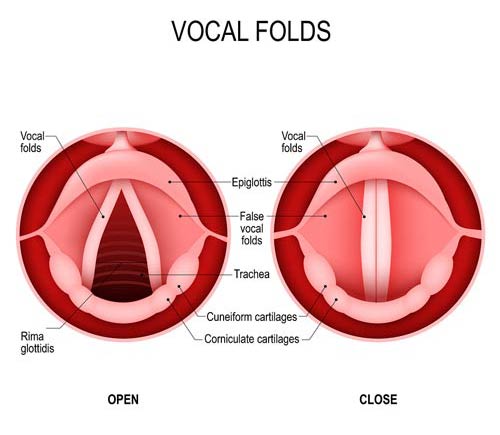
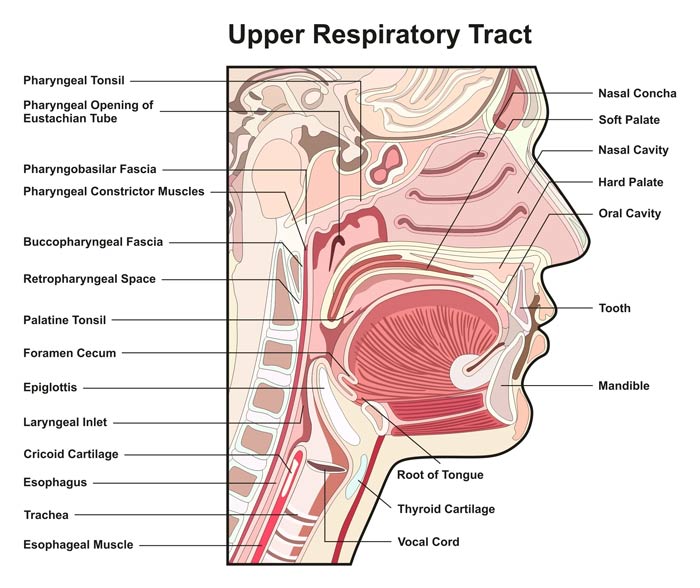
It is recommended that you consult with an ENT who specialises in voice (laryngologist) and uses video-stroboscopy to view not only potential lesions on the vocal cords, but also the way the vocal cords move. Video-stroboscopy with high resolution cameras can detect subtle changes in the larynx and provides a clear diagnosis. This guides the direction of voice therapy.
In the Northern Rivers there is limited access to video-stroboscopy, so Carmel can assess your voice and then advise you how to proceed.
 Muscle Tension Dysphonia (MTD).
Some vocal difficulties may be due to a pattern of maladaptive muscle usage (muscle tension dysphonia). Vocal symptoms may include: vocal strain, changes to vocal quality e.g. hoarseness, or vocal fatigue (which can be a precursor to the development of vocal lesions such as nodules), Many people with MTD feel that speaking is effortful, and/ or experience tension or a lump in the throat.
There are many factors that predispose people to MTD.
Sub-optimal hydration (not drinking sufficient water ) will also affect how ‘plumped out’ and resilient the vocal cords are to the high impact of talking loudly or for extended periods.
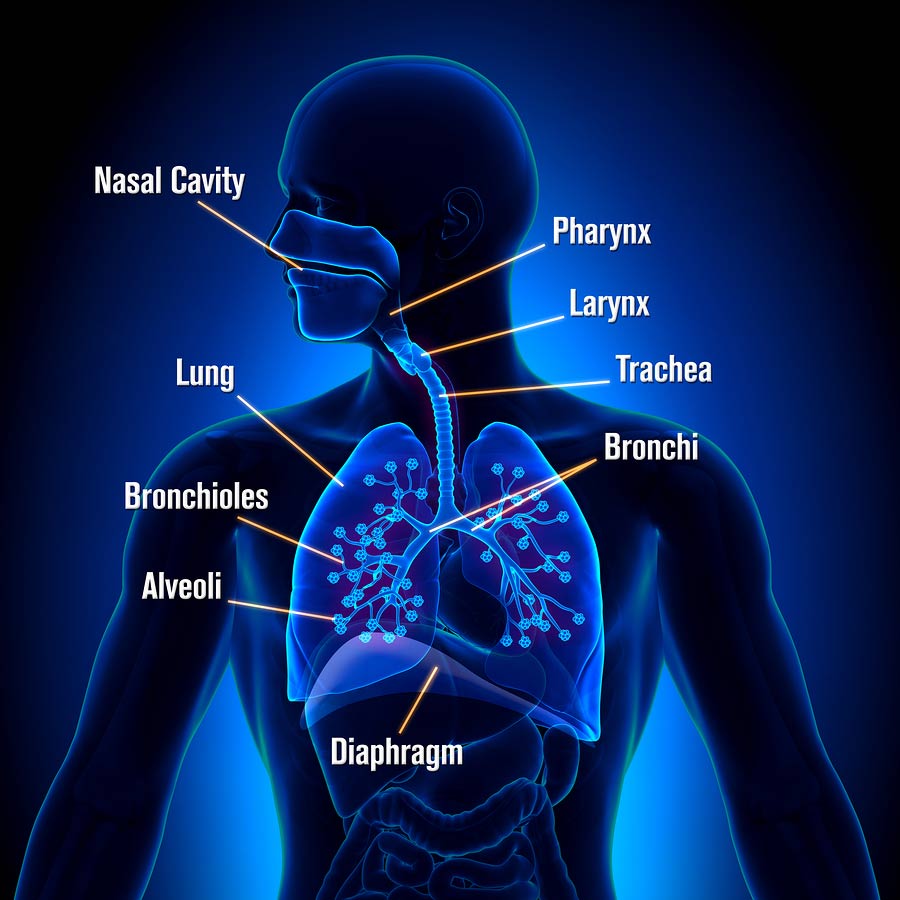
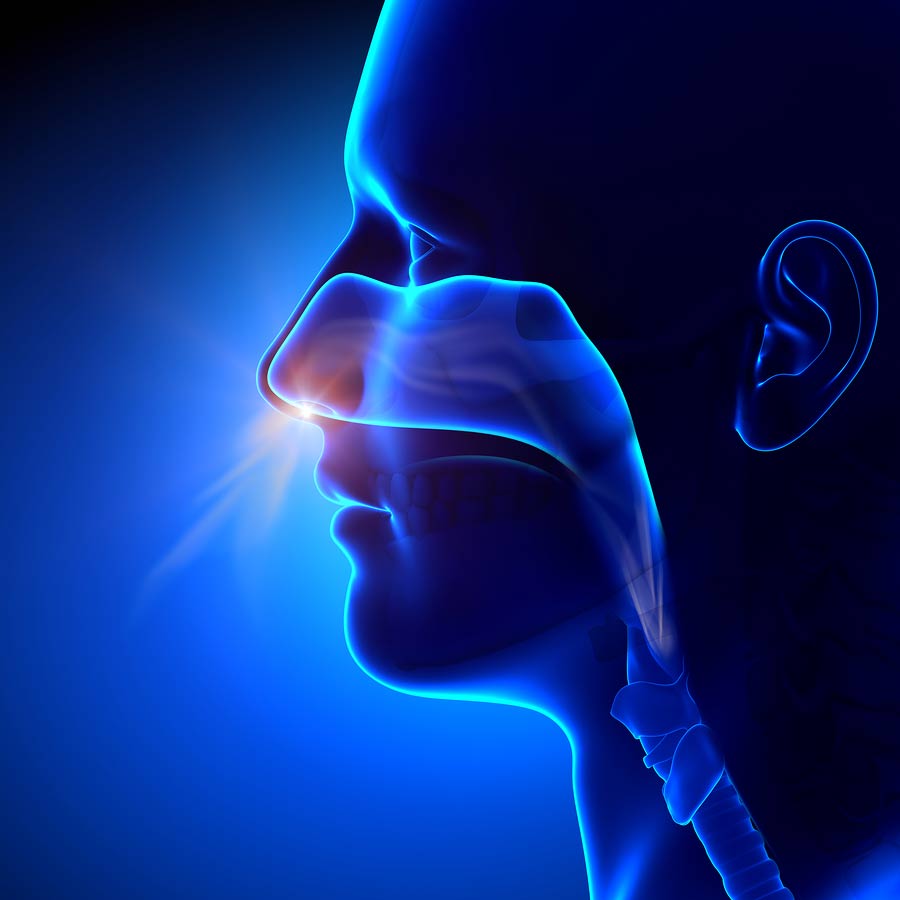 Breathing difficulties and / or reflux which may be ‘silent’/asymptomatic Laryngo-pharyngeal reflux ( LPR), can also be contributing factors.
Sinus issues and excess muscular tension in the jaw, tongue, throat, neck or shoulders can predispose people to the development of MTD.
Most people are unaware of how a few simple exercises can improve their voice, often dramatically, and many wait too long to seek help. It is much easier to undo tension patterns early on, whilst vocal fatigue is the main symptom. Learning good vocal technique and managing your vocal load together with good ‘vocal care’ including good hydration, can prevent the development of physical changes to the tissue in the vocal folds (such as vocal nodules.)
 Functional Neurological Voice Disorders (FNVD)
Carmel also has extensive experience working with vocal difficulties that may arise in stressful situations that tax you beyond your emotional and psychological resources. Her bio-psychosocial and trauma informed approach, together with additional counselling skills equip her to assist you ‘find your voice’ again. Carmel has extensive experience weaving vocal techniques with awareness of psychological resources that can help with navigating the process of regaining full use of your voice.